Joinery & Dowel Jigs · 9 min read
Woodworking Jigs: How to Choose the Right One
Which woodworking jig fits the job? Compare pocket hole, dowel, shelf pin, hinge, mortise, router and assembly jigs, what each one does and what to check before you buy.
By SQUAREFORGE Shop Desk · Updated
Key takeaways
- Pick the jig by the joint or operation you repeat most, not by the biggest kit.
- A jig only repeats what it references, so register every part from the same face and edge.
- Cut a test joint in scrap from the same stock before every new setup.
What a woodworking jig does
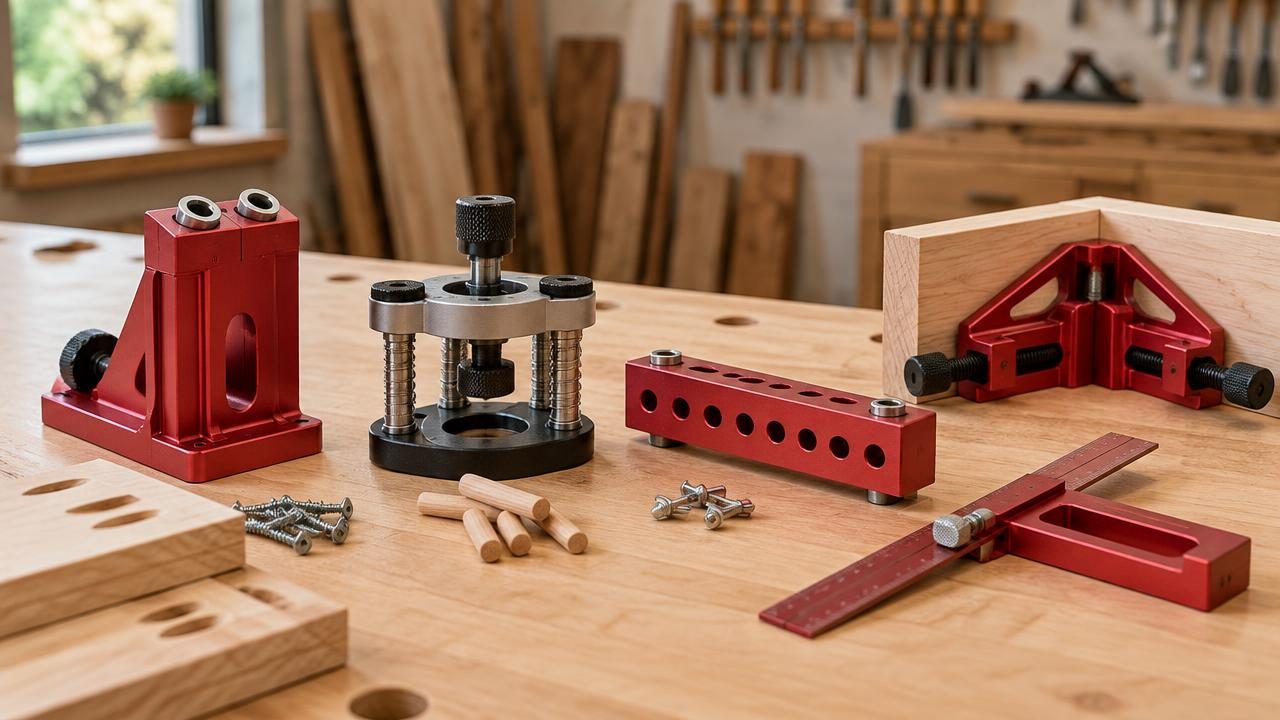
A jig holds a tool or a workpiece in a fixed relationship so the same cut, hole or angle comes out identical every time. It turns careful measuring into a one-time setup: you dial it in once, then every part that registers against it lands in the same place.
That is why the right jig depends on what you build. A cabinet maker drilling rows of shelf pin holes needs something very different from a furniture maker cutting mortises in table legs.
Jig types at a glance
| Jig type | Best for | Check before you buy |
|---|---|---|
| Pocket hole jig | Face frames, cabinet boxes, quick carcass assembly | Stock thickness range and whether a clamp is included |
| Dowel jig | Hidden joints on show faces, frames, edge joints | Self-centering or fixed, bushing sizes, stock width range |
| Shelf pin jig | Rows of evenly spaced holes for adjustable shelves | Hole diameter that matches your pins, hole spacing, length |
| Hinge and hardware jig | 35mm concealed hinge cups, handles and pulls | Hinge cup size, edge distance setting, drill bit included |
| Mortise and hinge mortise jig | Mortise and tenon joints, door hinges and locks | Router or chisel based, guide bushing fit, size range |
| Router jig or template | Circles, grooves, radius corners, straight guided cuts | Router base fit, adjustment range, fence or track system |
| Assembly jig | Holding parts square during glue-up and screwing | Angle, jaw capacity, how it clamps to the work |
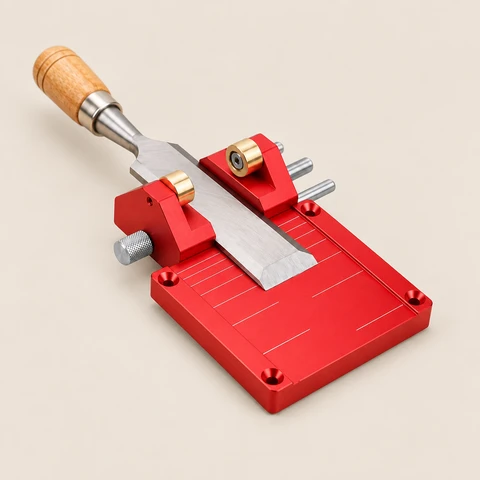
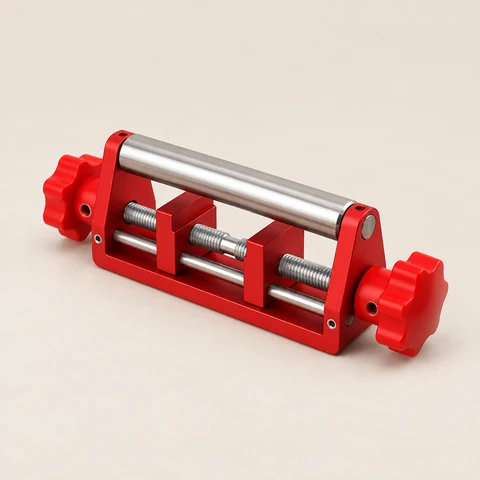
| Sharpening jig | Repeatable bevel angles on chisels and plane irons | Blade width capacity, angle setting method |
Pocket hole jigs: fastest carcass joinery
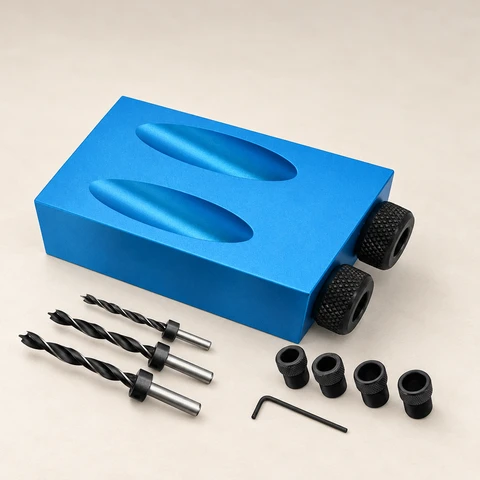
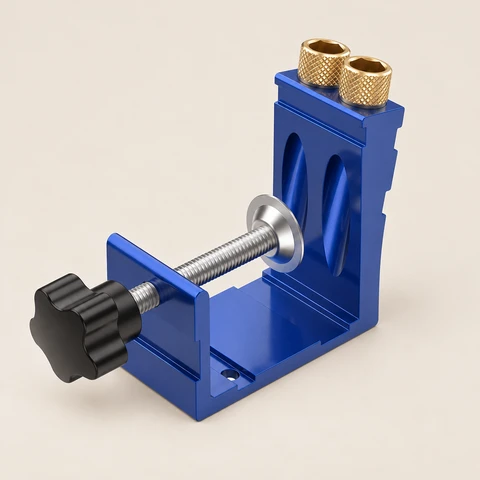
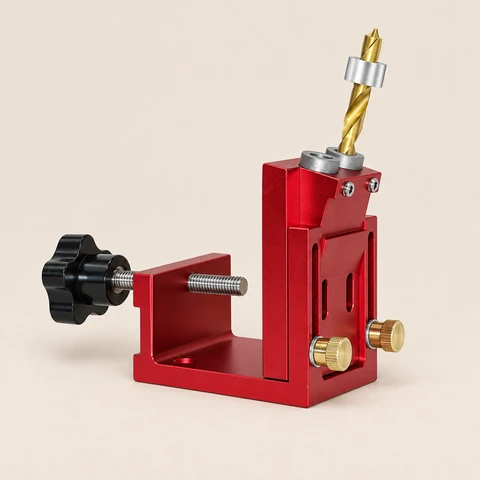
A pocket hole jig guides a stepped drill bit at a steep angle into one part so a screw can pull it tight against the next. It is the quickest way to join face frames and cabinet boxes because the joint clamps itself as the screw goes in.
- Set the drill guide and stop collar to the actual thickness of your stock, measured, not nominal.
- A built-in or included clamp keeps the jig from shifting while you drill.
- Hide pockets on the inside or back face, since the screw entry stays visible.
Pocket hole jigs
★ 5.0
★ 5.0
Dowel jigs: hidden, aligned joints
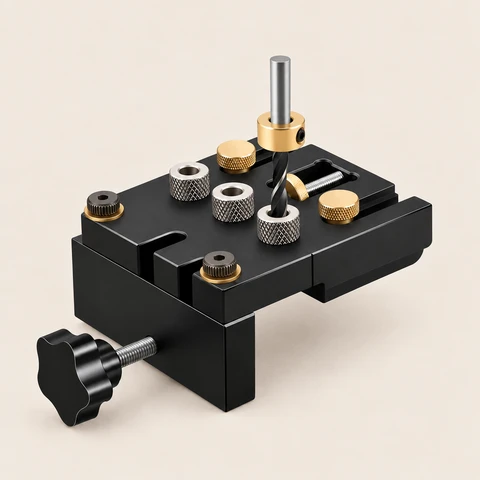
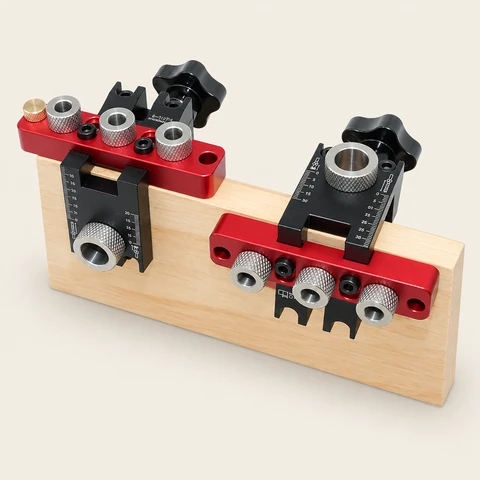
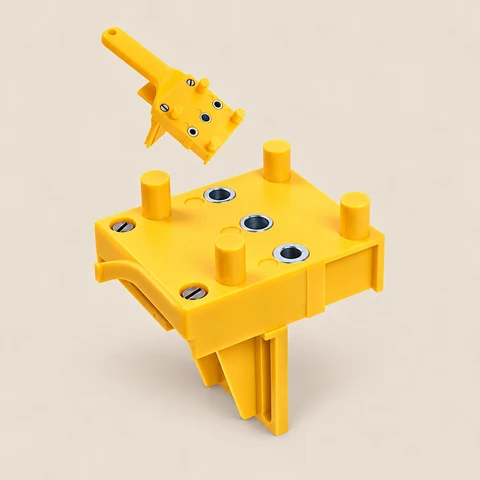
A dowel jig drills matching holes in two parts so wooden dowels align and strengthen the joint with nothing visible from outside. Self-centering dowel jigs clamp on the board and put the hole in the middle of the thickness automatically, which removes the most common layout error.
- Self-centering jigs are faster for edge and frame joints in standard stock.
- Adjustable or fixed-reference jigs give more control for offset holes and panels.
- Match the drill bit, the guide bushing and the dowel diameter exactly.
Dowel jigs
★ 4.5
★ 4.0
★ 4.8
Shelf pin and hinge jigs: cabinet hardware
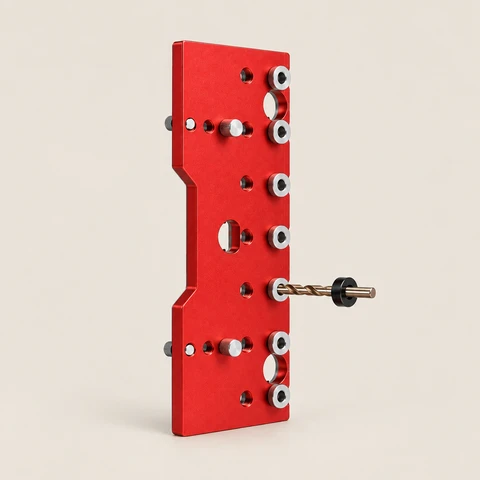
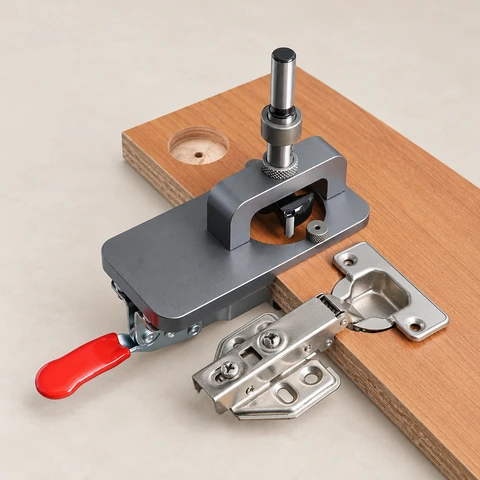
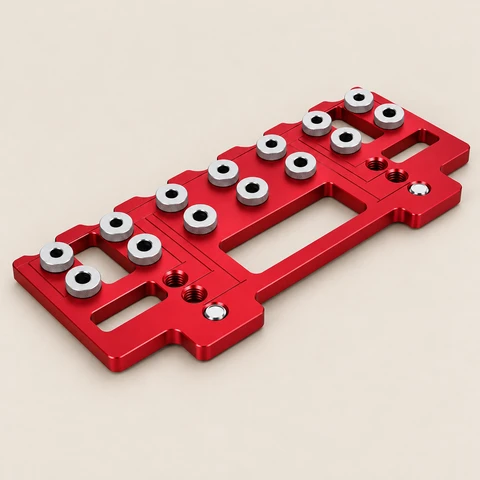
Cabinet work repeats the same holes dozens of times. A shelf pin jig drills evenly spaced rows so shelves sit level, and a concealed hinge jig places the 35mm hinge cup at a consistent distance from the door edge so doors hang even.
- Buy the shelf pins first and match the jig's hole diameter to them.
- Index every row from the same cabinet edge, top or bottom, so left and right sides match.
- Drill a hinge cup in scrap and test the door overlay before drilling finished doors.
Shelf pin and hinge jigs
★ 5.0
★ 5.0
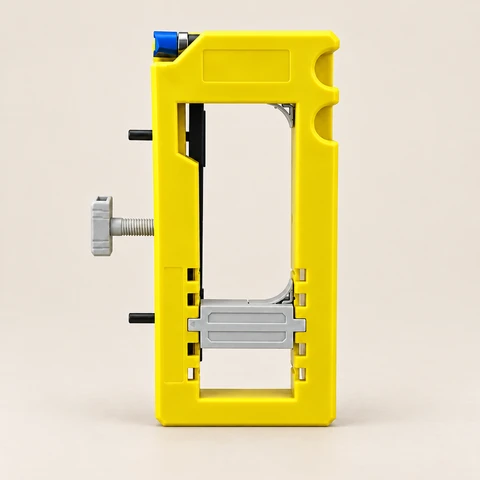
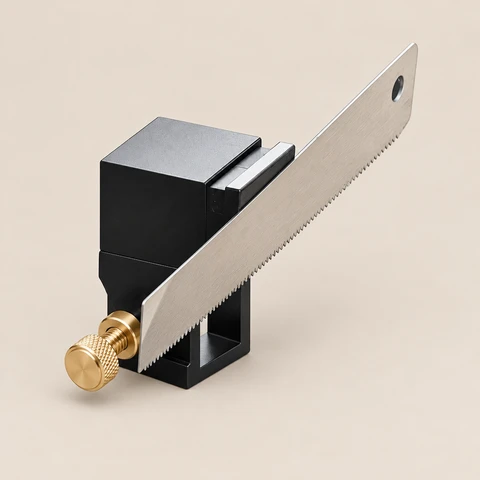
Mortise and hinge mortise jigs
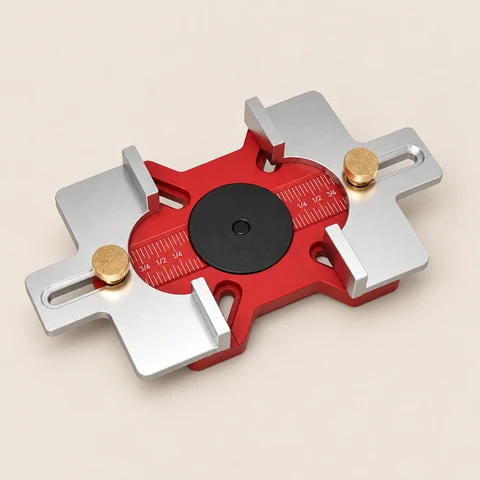
Mortising jigs guide a router or chisel to cut clean, consistent pockets: mortises for tenons in furniture, or shallow recesses for door hinges and locks. The jig sets the width and length so each mortise matches the last.
Mortise and hinge jigs
★ 5.0
★ 4.0
★ 4.6
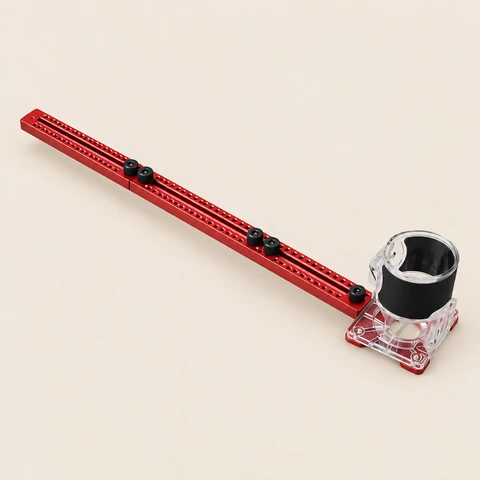
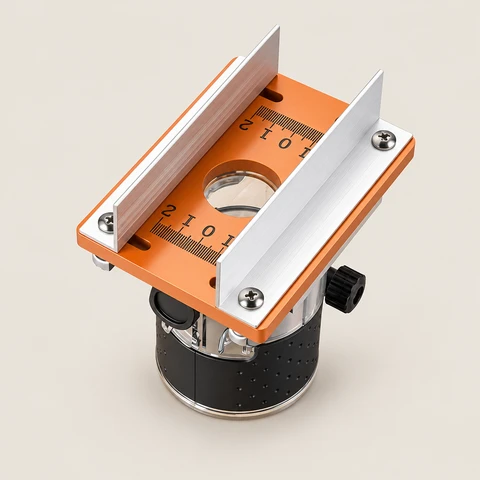
Router jigs, templates and fences
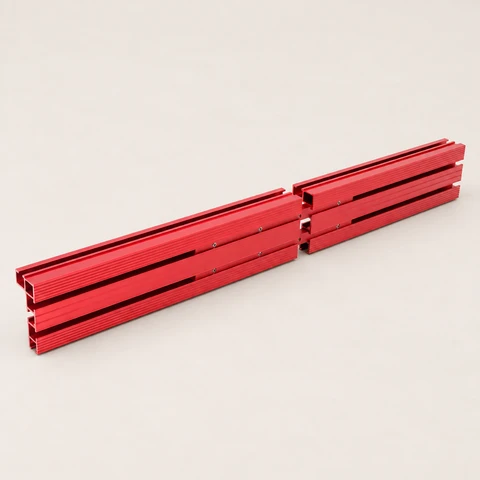
Router jigs turn a handheld router into a guided machine. A circle jig pivots the router on a center pin for round tabletops and openings, a grooving guide keeps dadoes parallel to an edge, and a fence on T-track gives a router table a straight, adjustable reference.
- Check that the jig's mounting holes or base plate fit your router before buying.
- Take several shallow passes rather than one deep cut to keep the jig from flexing.
Router jigs and fences
★ 4.9
★ 5.0
★ 4.4
Assembly jigs: square glue-ups
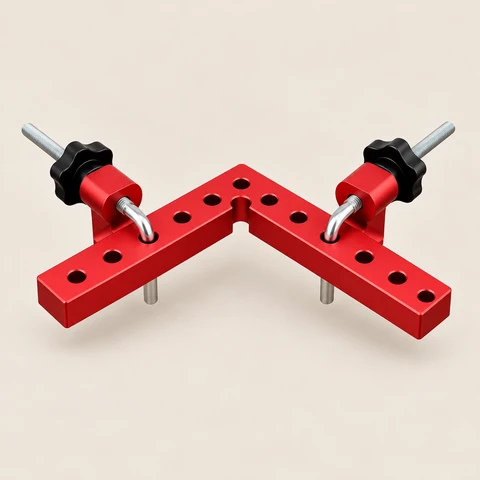
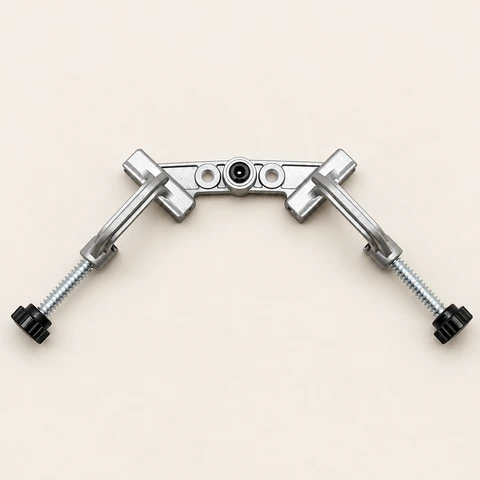
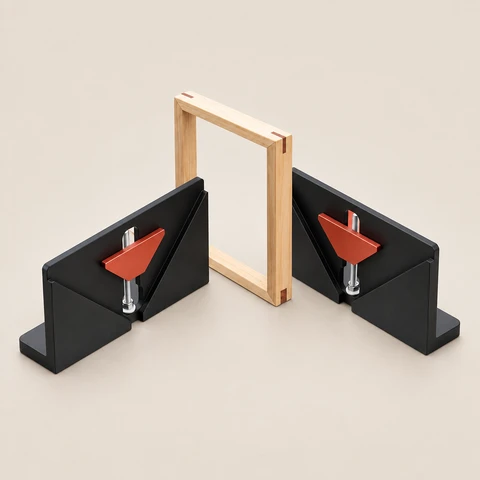
Positioning squares and corner clamps hold parts at 90° while you glue, screw or nail them. They free both hands and stop a box from racking out of square before the glue sets.
Assembly and corner jigs
★ 4.9
★ 5.0
Sharpening jigs: a repeatable bevel
A honing guide holds a chisel or plane iron at a fixed angle on the stone or plate, so each sharpening session returns to the same bevel instead of rounding it over. It is the jig that keeps every other cutting tool working.
Honing guides
★ 5.0
★ 5.0
Which jig to buy first
- Building cabinets or shop furnitureStart with a pocket hole jig, then add a shelf pin jig and a concealed hinge jig as the cabinets need them.
- Building furniture with clean show facesStart with a self-centering dowel jig, then a mortise jig for leg and rail joints.
- Outfitting a routerStart with a fence or grooving guide for straight work, then a circle jig for round parts.
- Gluing up boxes and framesAdd positioning squares or corner clamps so assemblies stay square.
Keep going
- ShopJoinery & Dowel JigsPocket hole, dowel, shelf pin, hinge and mortise jigs
- ShopRouter & Table OutfittingRouter jigs, templates, fences and featherboards
- ShopBenchtop & WorkholdingPositioning squares, toggle clamps and bench dogs
- ShopBlade Care & SharpeningHoning guides and sharpening plates
- GuidePocket hole joinery guideSettings, screws and clamping
- GuideSelf-centering dowel jig guideSetup and accurate holes
- GuideDowel jig vs. pocket holeWhich joint to use where
- GuideMortise and tenon by routerCutting the joint with a jig
Joinery setup checklist
| Stage | Tasks |
|---|---|
| Before cutting | Confirm stock thickness, test-fit on scrap, check bit or cutter sharpness |
| During assembly | Dry-fit every joint, check squareness, have clamps and glue ready before mixing |
| After glue-up | Recheck diagonals, clean squeeze-out before it skins over |
/ Frequently asked
What is the most useful woodworking jig for a beginner?+
For cabinets and shop furniture, a pocket hole jig covers the most projects. For furniture with visible joints, a self-centering dowel jig is the better first choice.
Do I need a different jig for every joint?+
Each joint type has its own jig, but most shops only need the two or three that match the projects they build most often.
Why do my jig holes not line up?+
Usually the parts were referenced from different faces or edges, or the jig moved while drilling. Mark a reference face on every part and clamp the jig firmly.
Are aluminum jigs better than plastic ones?+
Machined aluminum holds its shape and its drill bushings stay aligned under clamping pressure, while plastic jigs are lighter and cost less. Both work when set up carefully.